
Everything is Substantial. Everything is Insubstantial.
Everything is.

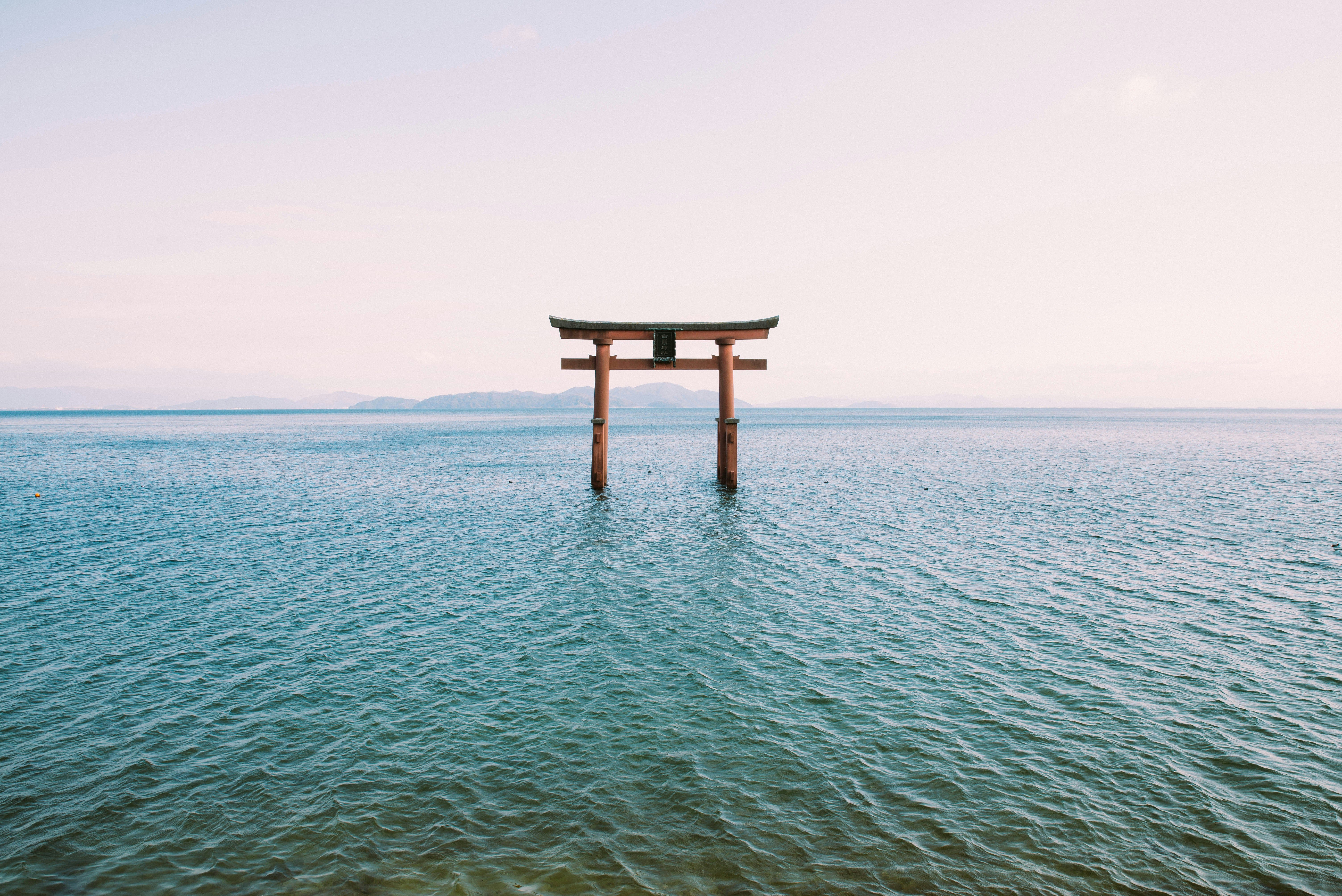
This song is called “Bag of Bones.” I recorded it in 2022.
What is awakening?
Rice in the bowl. Water in the bucket.
What is awakening?
The oak tree, there, in the yard.
What is awakening?
The original face you had, before your parents were born.
These koans are from the Zen tradition. I may be misquoting them; I have done no formal study of Zen, and I’m learning about them in realtime.
In a way, though, that has made my encounters with them very rich.
Beginner’s mind is easier as a beginner.
I use an app called The Way to guide my sits. The teacher is named Henry Shukman, and he tends to place koans in front of his students without judgment or too much guidance.
Since I have only the training he’s given me (I’ve been using the app a few months), I am a true neophyte.
Sometimes this can feel frustrating. I have never felt close to attaining enlightenment; at times my mind wanders so much that I find myself thinking of posts for this publication (I just came up with one titled “Everything is Substantial. Everything is Insubstantial.” And here we are).
Even for someone who doesn’t really know what he’s doing, koans can have fascinating effects.
I have sat with the idea of “the gateless gate,” and found myself in a vast landscape in which I was before a great gate, and underneath it, and through it, all at once.
I have look at the oak tree, there, in the yard, and perceived that it is both solid and firm and made of countless atoms, and that I am the same.
We are boundaryless and boundaried all at once.
Some of the ideas that come up in traditions like Zen Buddhism (and many religions and philosophies I come into contact with in passing) are confusing to me.
How is it that everything is one when I am clearly my own, separate being?
And yet at times I can feel that oneness.
The solidity of everything, from oak trees to our own flesh, is an illusion.
We are, a different tradition informs us, actually made of massive numbers of tiny atoms, as is everything else.
This is hard to literally believe. My skin is a solid boundary between myself and everything else. If it wasn’t, things would get very messy very fast.
And yet when I contemplated the koan of the oak tree in the yard, I felt the reality of it: how I was made of the same stuff as the tree, and as everything else.
Breaking our logical brains.
I don’t think Zen was designed to help me gain a more visceral understanding of atomic theory.
What it does seem to work against is a mental system in which I can exert control over reality by neatly classifying things.
Koans can’t be explained with logic. But they can be spoken or read and understood by the mind, at least as short sentences or fragments.
Even that is a strange thing to contemplate: there is nothing particularly remarkable about the phrase “Rice in the bowl. Water in the bucket.”
But when it’s offered up as the key to enlightenment, my limited understanding of things starts to stretch and twist in fascinating ways.
I notice that the simple, clear objects that surround me are not only worthy of contemplation, but that they may hold some greater meaning and value.
The world as it is — all the plain things that are always there — may be more substantial and important than any of the things I spend my time and attention on.
And also less substantial. Because they are part of the same oneness that I am.
Bag of Bones

Bag of bones with just
A little flesh.

You really don’t believe
That you will get

A second chance at this,
Do you?

I do not know your name
And I don’t need to.